
Best Smart Pet Gadgets 2026: Feeders, Collars, Fences & More
The best smart pet gadgets depend on the problem you want solved: the PetPace V3.0 collar for health-pattern awareness, the Dogtra GPS Fence for containment on a big property, the PETKIT PuraMax 2 or Neakasa M1 Plus to end scooping, and the Nityers 15L feeder for meals on schedule. Name the problem first, then buy for that job. That problem-first rule is what a pet tech gadgets search should start with, not a feature list.
“Smart pet gadgets” covers a lot of ground — the category now includes feeders that keep meals on schedule, collars designed to track health patterns, GPS containment fences, and litter boxes that clean themselves. That breadth is exactly why people get overwhelmed: these products solve completely different problems. This roundup organizes the smart pet gadgets we have covered on our channel by the job each one does, so you can shop by problem instead of by hype. That shop-by-problem rule is the honest starting point for an automatic pet feeder search: name the feeding problem first, then judge the feeder on that job alone.
Key Takeaways
- Start with the problem, not the product: health-pattern awareness, yard containment, litter duty, or meals on schedule each point to a different pick.
- PetPace V3.0 is a monitoring aid: it tracks a dog’s health and activity patterns over time to support awareness and vet conversations, not to diagnose.
- Dogtra GPS Fence is containment, not a live tracker: it needs a property of ¾ acre or more, suits dogs 15 lb and up, and training flags are not included.
- For litter, pick by your cat: the PETKIT PuraMax 2 is the enclosed, app-connected style, while the Neakasa M1 Plus is the open-top style for cats that refuse covered boxes.
- Nityers 15L feeder solves one job: keeping meals on schedule without daily refills, thanks to its large capacity.
An honest note: the videos on our channel, including the one above, use AI-generated visualization based on manufacturer listings, not hands-on test footage. Use this guide as a map of what each product is designed to do.
At a Glance
| Product | Best for | Key spec(s) | Link |
|---|---|---|---|
| PetPace V3.0 Smart Collar | Health-pattern awareness | Collar designed to track a dog’s health and activity patterns over time | View on Amazon |
| Dogtra GPS Fence | Yard containment on a big property | Wireless GPS containment fence; needs a property of ¾ acre or more, dogs 15 lb and up, training flags not included | View on Amazon |
| PETKIT PuraMax 2 | Self-cleaning litter, enclosed | Enclosed, app-connected self-cleaning litter box | View on Amazon |
| Neakasa M1 Plus | Self-cleaning litter, open-top | Open-top self-cleaning design for cats that refuse covered boxes | View on Amazon |
| Nityers 15L Automatic Dog Feeder | Meals on schedule | 15L large-capacity automatic dog feeder | Watch the video |
When we lined these products up for our channel comparison, they looked less like one category and more like five different answers to five different daily problems. In our comparison, the owners who were happiest with a purchase were the ones who named their problem first — a missed meal schedule, a yard with no fence, litter duty — and bought for that problem alone.
PetPace V3.0 Smart Collar — Health-Pattern Awareness
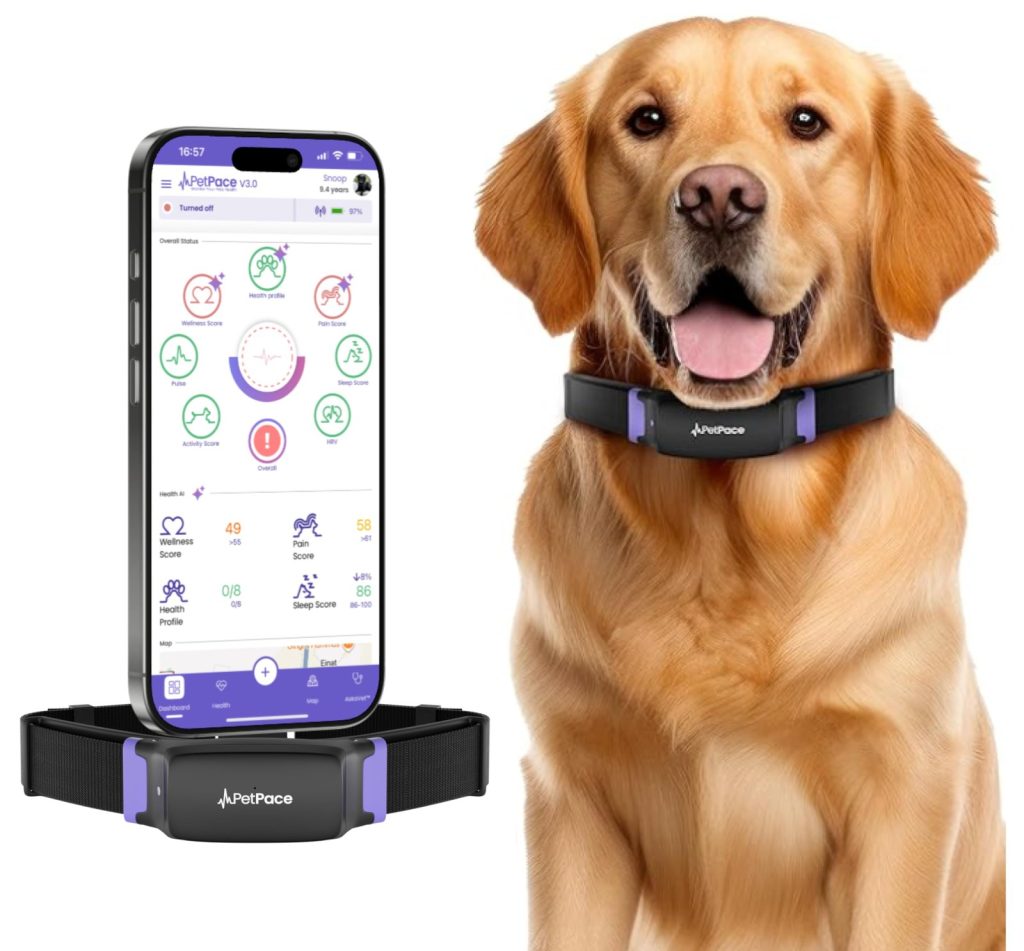
The PetPace V3.0 is a collar designed to track a dog’s health and activity patterns over time, so changes from your dog’s normal stand out sooner. Read it as a monitoring aid: it is designed to support awareness and better vet conversations, not to diagnose. That framing matters. A collar that helps you notice a change earlier is useful; treating its readings as a diagnosis would be the wrong way to use it. See it on the PetPace V3.0 listing. That notice-a-change-earlier job is the honest test in any smart pet collar search: whether the collar helps you spot a change sooner, not whether it diagnoses anything.
Pros
- Tracks health and activity patterns over time, so changes from your dog’s normal stand out sooner.
- Designed to support awareness and better conversations with your vet.
- Focused on one clear job — health-pattern awareness — rather than trying to be every gadget at once.
Cons
- It is a monitoring aid, not a diagnosis; your vet still makes the medical call.
- Smart collars need the right neck fit to do their job.
Dogtra GPS Fence — Containment for Big Properties
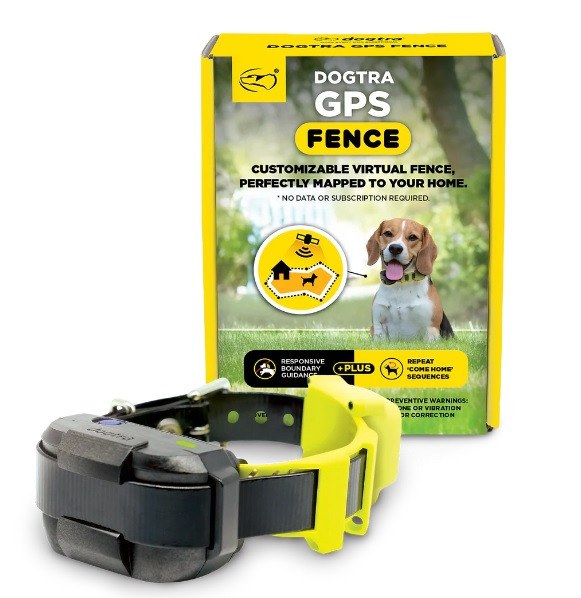
The Dogtra system is a wireless GPS containment fence — it keeps dogs inside a defined boundary; it is not a live GPS tracker. It needs a property of ¾ acre or more, suits dogs 15 lb and up, and training flags are not included. If you want containment without burying wire on a larger property, this is the product in the roundup built for that job. Details on the Dogtra GPS Fence listing. That containment-without-burying-wire job is the honest test in any gps pet fence search: whether the fence keeps dogs inside a boundary you define, not whether it finds a lost dog.
Pros
- Wireless GPS containment with no buried wire to install.
- Built for larger properties of ¾ acre or more.
- One clear job: keeping dogs inside a boundary you define.
Cons
- Not a live GPS tracker; it will not show you a lost dog’s location.
- Needs ¾ acre or more and a dog of 15 lb and up, so small yards and small dogs are out.
- Training flags are not included.
PETKIT PuraMax 2 — Enclosed, App-Connected Litter
The PETKIT PuraMax 2 is the enclosed, app-connected option from a major smart-pet brand. It handles litter duty inside a covered design, and the app connection suits owners who like managing pet care from a phone. In our litter comparison on the channel, this was the style built for owners who want the box closed in and connected.
Pros
- Enclosed, app-connected self-cleaning design.
- Comes from a major smart-pet brand.
- Handles the daily scooping chore for you.
Cons
- An enclosed box is the wrong style for a cat that refuses covered boxes.
- Owners who do not want an app in their litter routine will not use its main extra.
Neakasa M1 Plus — Open-Top Litter
The Neakasa M1 Plus takes the opposite approach — an open-top design for cats that refuse covered boxes. Same job as the PETKIT, two philosophies; pick by your cat’s preference, not yours. When we lined the two litter styles up for our video, cat acceptance was the deciding factor, not the feature list.
Pros
- Open-top design made for cats that refuse covered boxes.
- Self-cleaning, so the familiar open layout comes without daily scooping.
Cons
- An open layout is a different trade from an enclosed box; pick it for cat acceptance first.
- If you want app-connected management, the PETKIT is the style built around it.
Nityers 15L Automatic Dog Feeder — Meals on Schedule
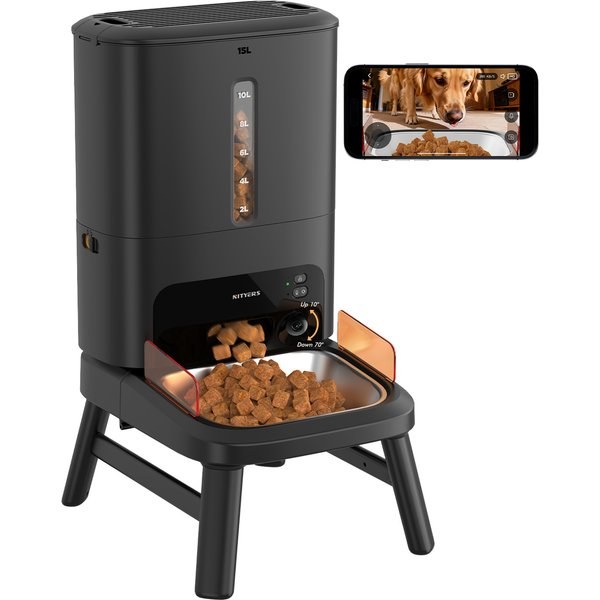
For scheduled meals without daily refills, the Nityers 15L automatic dog feeder is the large-capacity feeder we featured on the channel. Its 15L size is the point: it is built to keep meals on schedule without you topping it up every day. You can watch it and follow the product link from our video here: Nityers 15L feeder video. That no-daily-refill job is the honest test in any smart pet feeder search: whether the feeder keeps meals on schedule without becoming another daily chore.
Pros
- 15L large capacity keeps scheduled meals running without daily refills.
- Solves one clear daily problem: meals on schedule.
Cons
- Feeders need the right kibble and a power plan, so check both before you rely on one.
- It does one job only; it will not monitor health or contain a yard.
In our comparison, the clearest pattern was that none of these five substitutes for another. A collar will not feed, a fence will not track, and a feeder will not monitor health, and the roundup works best when each gadget is judged only on its own job.
What to Know Before You Buy
- Match the gadget to one problem. A collar will not feed, a fence will not track, and a feeder will not monitor health. Buying the right category matters more than buying the “best” one.
- Check the requirements. The Dogtra fence needs ¾ acre and a dog of 15 lb+; smart collars need the right neck fit; feeders need the right kibble and power plan.
- Budget the consumables. Litter boxes use liners and litter, feeders use kibble, and some apps have optional subscriptions — check the listing for the ongoing picture.
- Watch before you buy. Every product here has a dedicated video on Smart Tech & Gadget Finds showing its design and positioning.
How to Choose: Start With the Recurring Task
Competitor roundups frame choosing as a framework, and the generic version extends this review’s own stance rather than replacing it. Name the single recurring task that bothers you daily, then judge every gadget only on that job. A collar will not feed, a fence will not track, and a feeder will not monitor health, so a gadget that solves a problem you do not have is not a bargain at any price. That framework is generic guidance, not a claim about any lineup product — no product is recommended here, because the right first buy depends on the task, not on the category. Start with the daily annoyance, and let the rest wait until a real need appears.
Total Cost Without Figures: The Ongoing Picture
Competitor roundups raise total cost of ownership as a topic, and the generic version is a framing without figures, because this review states no prices and no per-product costs. The questions to ask on the listing are generic: what consumables the product needs over time, what the listing says about any ongoing picture, and how that ongoing picture fits your routine. Those are listing questions, not claims — no cost figure, no price band, and no per-product subscription cost is stated here, because this review states none. This review’s own subscription stance stands: some apps have optional subscriptions, so check the listing for the ongoing picture. Do not assume an ongoing cost exists because another product charges one, and do not assume none exists because this review does not name one. Check the current listing before you pay.
Feeder Features: Listing Questions Only
Competitor roundups name feeder features as a checklist topic, and the generic version is a set of question categories for the feeder in this roundup, not claims about what it offers. The questions to ask on the listing are generic: whether the listing names a camera, whether it names two-way audio, whether it names backup power, and how portion control is described. Those are listing questions, not claims — no feeder feature is stated here for the feeder in this roundup, because this review states none beyond keeping meals on schedule. A feature the listing does not name should not be assumed, and a feature that matters to your routine deserves a listing check before you buy. Check the listing for your exact model before you order.
Multi-Pet Households: Generic Questions
Competitor roundups raise multi-pet households as a topic, and the generic version is a set of questions, not claims about any lineup product. The questions to ask on the listing are generic: whether the listing says the product suits a home with more than one pet, how individual animals are handled where that matters, and what breaks down when animals share the same device. Those are listing questions, not claims — this review states nothing about multi-pet use for any lineup product, and no multi-pet claim is made here. Do not assume a second pet is covered because one pet is, and do not assume separate handling that the listing does not describe. Check the listing before you buy.
Introducing a Device: Generic Guidance
Competitor roundups raise introducing devices to pets as a topic, and the generic guidance extends this review’s own routine stance rather than replacing it. Introduce any new device gradually, let the animal investigate it while it is off before it runs, keep early sessions short and calm, and only trust the device once the animal shows it accepts it. That guidance is generic, not a claim about any lineup product, and no safety claim is made here for any lineup product, because this review states none. A device the animal fears will not do its job well no matter how good its listing sounds. Check the manual for your exact model for its introduction guidance before you rely on it.
Health Data and Vet Conversations: Listing Questions Only
Competitor roundups raise health data and vet integration as topics, and the generic version is a set of listing questions, not claims about the collar in this roundup. The questions to ask on the listing are generic: what patterns the listing says the collar tracks, whether the listing says trends can be shared with a vet, and in what form that sharing happens. Those are listing questions, not claims — no health metric, no tracked measure, and no data-export claim is stated here for the collar in this roundup, because this review states none. Nothing here changes this review’s own framing either: the collar is a monitoring aid for awareness and better vet conversations, not a diagnosis, and your vet still makes the medical call. Check the listing before you buy.
Litter Choice and Routine: Generic Guidance
Competitor roundups raise litter choice as a topic, and the generic guidance extends this review’s own stance rather than replacing it. Automatic litter needs the right home and routine to stay worth it, so judge the box by your cat’s preference first, then by the routine it asks of you. An enclosed style and an open-top style suit different cats, and cat acceptance decides the question before any feature list matters. That guidance is generic, not a claim about either litter product in this roundup, and no safety claim is made here for either one, because this review states none. Pick by the cat, not by the listing, and check the manual for your exact model before you buy.
Containment Versus Tracking: A Generic Distinction
Competitor roundups raise live tracking as a category topic, and the generic version extends this review’s own framing without adding a product or a claim. Containment keeps a dog inside a boundary you define; live tracking would show where a dog is right now. This review states that the fence in this roundup contains, it does not track a lost dog, and nothing here softens that. The generic instruction is a listing question only: ask the listing for your exact model what job it is built for, and do not buy a containment product expecting it to find a lost dog. No live-tracker product is named or recommended here, and no tracking claim is made here for any lineup product. Check the listing before you buy.
Gifting Pet Tech: A Generic Topic
Competitor roundups raise gifting pet tech as a topic, and the generic version is a caution, not a recommendation. A gadget bought as a gift still has to fit the animal, the home, and the routine of the person who will actually live with it. A feeder that does not match the feeding routine, a collar the animal will not wear, or a fence that does not match the property will not earn its keep no matter how good the intention was. That caution is generic guidance, not a claim about any lineup product, and no product is recommended here as a gift. If you are buying for someone else, confirm the daily problem first, and check the listing for your exact model before you order.
Maintenance, Cleaning, and Power: Generic Planning
Competitor roundups raise maintenance and power planning as topics, and the generic version is a planning checklist, not claims about any lineup product. The questions to ask on the listing are generic: what cleaning the product needs and how often, what power it needs and what happens while it is off the animal or unplugged, and how that routine fits your own week. Those are listing questions, not claims — this review states no maintenance, cleaning, or power detail for any lineup product, and none is stated here. A gadget whose upkeep you will not do is a gadget that will stop earning its keep. Check the manual for your exact model before you buy.
Is Expensive Worth It: A Decision Process Without Figures
Competitor roundups raise the worth-it question as a topic, and the generic version is a decision process without figures, because this review states no prices. Judge worth by the job, not by the category: does it remove a daily chore, does it add genuine peace of mind, and would you still want it if it did only that one job and nothing else. If the answer to all three is yes for a real daily problem, the product earns its place; if the answer depends on features you will not use, it does not. That process is generic guidance, not a claim about any lineup product, and no price, no price band, and no worth verdict is stated here for any lineup product. Start with the daily annoyance, and let the rest wait.
Buy Now or Wait: A Generic Framework
Competitor roundups raise a buy-versus-wait framework as a topic, and the generic version is a set of questions, not a verdict. Is the daily problem real right now, or is it a problem you expect to have later. Does the product solve that problem on its own, or does it need a routine change you have not made yet. Would waiting change anything about the fit — the animal, the home, the routine — or would it only delay the same decision. Those are buyer questions, not claims — this review states no buy-or-wait verdict for any lineup product, and none is stated here. If the problem is real and the fit is right, buy for that job; if either is unclear, waiting costs nothing. Check the listing before you decide.
What the Evidence Shows: Diagnosis Versus Notification
Competitor guides raise the evidence question as a topic, and the generic version extends this review’s own framing without adding a clinical claim. A monitoring aid can support awareness and better vet conversations; it does not diagnose, and it does not replace a vet’s judgment. The useful question to ask on any listing is generic: does the listing say the device changes a diagnosis, or does it only help you notice a change sooner and bring that change to your vet. That question is a listing check, not a claim — no diagnostic ability, no clinical measure, and no evidence claim is stated here for any lineup product, because this review states none. Your vet still makes the medical call. Check the listing before you buy.
Who It’s For
This roundup is for pet owners building a smarter setup one problem at a time. If you do nothing else, fix the daily annoyance first — for most owners that is feeding schedules or litter duty — then add monitoring or containment when a real need appears. Gadgets earn their keep when they remove a chore or add genuine peace of mind, and the five above each do one of those jobs clearly. Start with the daily annoyance, and let the rest wait until a real need appears.
FAQ
Does the PetPace collar diagnose health problems?
No. The PetPace V3.0 tracks a dog’s health and activity patterns over time so changes from normal stand out sooner. It is a monitoring aid for general awareness and better vet conversations, not a diagnosis tool.
Is the Dogtra GPS Fence a live GPS tracker?
No. It is a wireless GPS containment fence that keeps dogs inside a defined boundary. It needs a property of ¾ acre or more, suits dogs 15 lb and up, and training flags are not included.
For litter, should I pick the PETKIT PuraMax 2 or the Neakasa M1 Plus?
Pick by your cat’s preference. The PETKIT is the enclosed, app-connected style; the Neakasa is the open-top style for cats that refuse covered boxes.
What does the Nityers 15L feeder solve?
Meals on schedule without daily refills. It is the large-capacity automatic dog feeder we featured on the channel, built for owners whose problem is the feeding routine itself.
Which smart pet gadget should I buy first?
The one that fixes your daily annoyance. For most owners that is feeding schedules or litter duty; add health-pattern monitoring or yard containment when a real need appears.
How do I choose my first smart pet gadget?
Start with the recurring task that bothers you daily, then judge every gadget only on that job. A collar will not feed, a fence will not track, and a feeder will not monitor health, so a gadget that solves a problem you do not have is not a bargain at any price. That framework is generic guidance, not a claim about any lineup product — the right first buy depends on the task, not on the category. Start with the daily annoyance, and let the rest wait until a real need appears.
What ongoing costs should I check before buying?
Check the listing for what consumables the product needs over time, what the listing says about any ongoing picture, and how that ongoing picture fits your routine. Those are listing questions, not claims — no cost figure, no price band, and no per-product subscription cost is stated here, because this review states none. Some apps have optional subscriptions, so check the listing for the ongoing picture. Do not assume an ongoing cost exists because another product charges one, and do not assume none exists because this review does not name one.
What feeder features should I ask about?
Whether the listing names a camera, whether it names two-way audio, whether it names backup power, and how portion control is described. Those are listing questions, not claims — no feeder feature is stated here for the feeder in this roundup, because this review states none beyond keeping meals on schedule. A feature the listing does not name should not be assumed. Check the listing for your exact model before you order.
Does this roundup cover multi-pet homes?
Not as a finding. The generic questions to ask on the listing are whether the listing says the product suits a home with more than one pet, how individual animals are handled where that matters, and what breaks down when animals share the same device. Those are listing questions, not claims — this review states nothing about multi-pet use for any lineup product, and no multi-pet claim is made here. Check the listing before you buy.
How do I introduce a new device to my pet?
Gradually. Let the animal investigate it while it is off before it runs, keep early sessions short and calm, and only trust the device once the animal shows it accepts it. That guidance is generic, not a claim about any lineup product, and no safety claim is made here for any lineup product. Check the manual for your exact model for its introduction guidance before you rely on it.
Can I share health data with my vet?
That depends on the listing, so ask the listing what patterns it says the collar tracks, whether it says trends can be shared with a vet, and in what form that sharing happens. Those are listing questions, not claims — no health metric, no tracked measure, and no data-export claim is stated here for the collar in this roundup. The collar is a monitoring aid for awareness and better vet conversations, not a diagnosis, and your vet still makes the medical call.
How do I pick between enclosed and open-top litter?
By your cat’s preference first, then by the routine each style asks of you. Automatic litter needs the right home and routine to stay worth it, so an enclosed style and an open-top style suit different cats, and cat acceptance decides the question before any feature list matters. That guidance is generic, not a claim about either litter product in this roundup, and no safety claim is made here for either one. Check the manual for your exact model before you buy.
Is the fence in this roundup a live tracker?
No. It contains — it keeps a dog inside a boundary you define — it does not track a lost dog, and nothing in this file softens that. If finding a lost dog is the job, buy for that job, not for containment. No live-tracker product is named or recommended here. Check the listing for your exact model for what job it is built for.
Is pet tech a good gift?
Only if it fits the animal, the home, and the routine of the person who will actually live with it. A feeder that does not match the feeding routine, a collar the animal will not wear, or a fence that does not match the property will not earn its keep no matter how good the intention was. That caution is generic guidance, not a claim about any lineup product, and no product is recommended here as a gift. Confirm the daily problem first, and check the listing before you order.
What maintenance should I plan for?
What cleaning the product needs and how often, what power it needs and what happens while it is off the animal or unplugged, and how that routine fits your own week. Those are listing questions, not claims — this review states no maintenance, cleaning, or power detail for any lineup product, and none is stated here. A gadget whose upkeep you will not do is a gadget that will stop earning its keep. Check the manual for your exact model before you buy.
How do I decide if an expensive gadget is worth it?
By the job, not by the category: does it remove a daily chore, does it add genuine peace of mind, and would you still want it if it did only that one job and nothing else. If the answer to all three is yes for a real daily problem, the product earns its place; if the answer depends on features you will not use, it does not. That process is generic guidance, not a claim about any lineup product, and no price, no price band, and no worth verdict is stated here for any lineup product.
Should I buy now or wait?
Ask whether the daily problem is real right now or expected later, whether the product solves that problem on its own or needs a routine change you have not made yet, and whether waiting would change anything about the fit. Those are buyer questions, not claims — this review states no buy-or-wait verdict for any lineup product, and none is stated here. If the problem is real and the fit is right, buy for that job; if either is unclear, waiting costs nothing.
Does a health collar diagnose problems?
No. A monitoring aid can support awareness and better vet conversations; it does not diagnose, and it does not replace a vet’s judgment. The useful question to ask on any listing is whether it says the device changes a diagnosis, or whether it only helps you notice a change sooner and bring that change to your vet. That question is a listing check, not a claim — no diagnostic ability, no clinical measure, and no evidence claim is stated here for any lineup product. Your vet still makes the medical call.
How These Picks Were Chosen
This review lines the five products up for the channel comparison by the job each one does, and the verdict follows from that separation: each product earned its place by doing a single job clearly, and the roundup works best when each gadget is judged only on its own job. No hands-on test results, no scores, and no measured figures are claimed here, because none were run for this review. Design descriptions in the review reflect each product’s defined purpose, so check the current listing for the exact model you would buy.
Final Verdict
Start with the problem, not the product. When we lined these five up for our video, each one earned its place by doing a single job clearly: PetPace for health-pattern awareness, Dogtra for containment on a big property, PETKIT and Neakasa for litter duty in two different styles, and the Nityers 15L for meals on schedule. Pick the job that bothers you daily, buy for that job, and this category stops feeling overwhelming.
Affiliate Disclosure: This article contains Amazon affiliate links. As an Amazon Associate, Smart Tech & Gadget Finds earns from qualifying purchases at no extra cost to you. #ad


