Pet GPS Tracker Buying Guide (2026)
This pet gps tracker buying guide gives one short answer: if a tracker shows a live map using GPS and cellular, it needs a paid plan, it depends on signal where your dog goes, and live tracking drains its battery faster than the headline claim. Pick in this order — dog’s size, coverage area, then how often you’ll charge it.
Every tracker box shouts a different number, which is why this pet gps tracker buying guide exists. Short answer: if it shows a live map using real GPS and cellular, it needs a paid plan, it depends on signal where your dog goes, and live tracking drains its battery far faster than the headline claim.
Key Takeaways
- Pick in this order — dog’s size, coverage area, then how often you will charge it. Get that order wrong and even a good tracker ends up in a drawer.
- Every real GPS tracker needs a subscription: the plan pays for the cellular connection, and without it, Fi’s collar stops tracking entirely.
- Trackers have no fixed range like walkie-talkies: GPS finds the position from satellites, cellular sends it to your phone, and your real limit is GPS signal and cellular coverage where your dog is.
- Live tracking always drains fastest: headline battery figures assume power-saving and low activity, so charge more often than the headline claim suggests.
- Watch for impostors: the Apple AirTag has no GPS and no cellular and relies on nearby Apple devices — a different product, and a different job.
Pick in this order — dog’s size, coverage area, then how often you’ll charge it. Get that order wrong and even a good tracker ends up in a drawer.
The three examples further down are the trackers from our Smart Tech & Gadget Finds pet GPS comparison video, judged here the same way we judged them there: on the makers’ published ratings and plan terms, not on the biggest number printed on the box.
This article contains Amazon affiliate links. As an Amazon Associate we earn from qualifying purchases — it never changes our picks. #ad
Quick verdict
Our pick for most people is a light clip-on with fast live updates, like the Tractive DOG 6. If charging is your biggest pain point, look at Fi. If your dog is small, look at Petcube. Here’s why.
Watch the full comparison:
Range in a pet gps tracker buying guide
Trackers don’t have a fixed range like walkie-talkies. A GPS tracker finds its position from satellites, then sends it to your phone over cellular. Your real limit is GPS signal and cellular coverage where your dog is — not distance from you.
Rural areas, dense woods, and dead zones can delay or drop updates. No tracker can guarantee finding a lost pet. Watch for impostors too: the Apple AirTag has no GPS and no cellular, and relies on nearby Apple devices. Different product, different job.
Battery: read the conditions
Battery figures are maker ratings with conditions attached. Tractive’s DOG 6 is rated at up to 14 days with Power Saving Zones — typical mixed use is less, around 6 days in reviews. Fi rates up to 3 months with low activity, but Lost Dog Mode drops to around 2 days. Petcube rates up to 30 days in power-save mode. Live tracking, the thing you want in an emergency, always drains fastest.
Size matters too. Tractive weighs 39 g for dogs 8.8 lb and up; Petcube is 29 g, better for smaller dogs. Don’t chase the smallest unit if your dog can carry a bigger one with a better battery.
Subscriptions: the part nobody wants to hear
Every real GPS tracker needs a subscription. The plan pays for the cellular connection — without it, Fi’s collar stops tracking entirely, and Halo requires one for fences and tracking. Check the tiers first: on Tractive, worldwide coverage and heart and respiratory monitoring sit in Premium, and Fi has a minimum 6-month commitment. Retail bundles sometimes include membership months, but they vary by listing. Health features, by the way, are monitoring and alerts. They flag changes; they don’t diagnose anything.
Top 3 Picks
Tractive DOG 6 — Best All-Rounder. The pick for most people: a light clip-on with fast live updates, at 39 g for dogs 8.8 lb and up, with live updates every 2–3 seconds, virtual fences, and IP68.
Fi Series 3+ — Best Battery. The pick if charging is your biggest pain point: a collar design with GPS plus LTE-M in the US, escape alerts, Lost Dog Mode, and IP68 — though membership is mandatory and carries a minimum 6-month commitment.
Petcube GPS Tracker — Best for Small Dogs. The lightest here at 29 g, the better fit for smaller dogs, with live updates every few seconds, escape alerts, LED and buzzer — though US LTE only, and the 30-day figure is a power-save rating.
Three examples worth a look
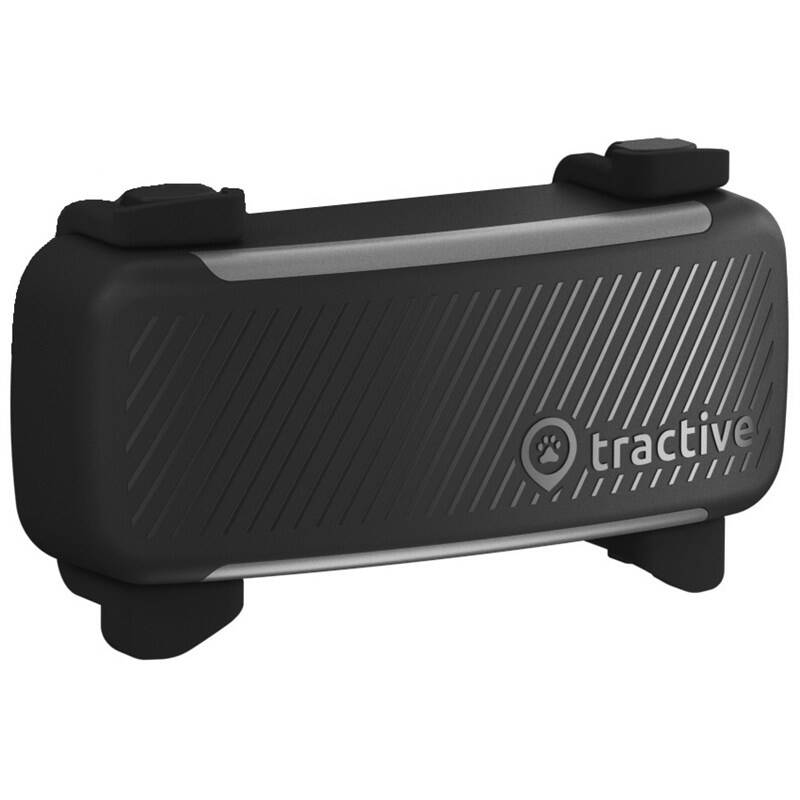
Tractive DOG 6 — all-rounder. Clip-on, 39 g, live updates every 2–3 seconds, virtual fences, IP68. Check Price on Amazon
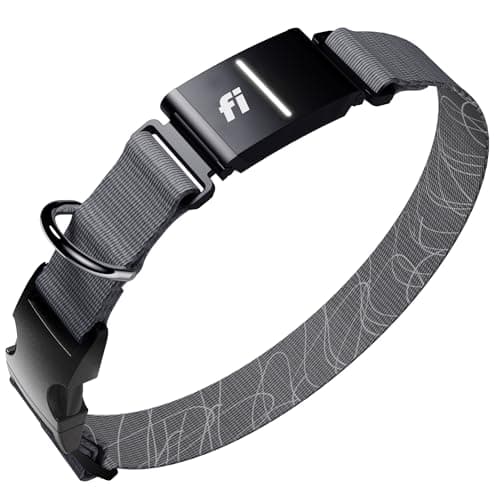
Fi Series 3+ — best battery. Collar design, GPS plus LTE-M in the US, escape alerts, Lost Dog Mode, IP68. Check Price on Amazon

Petcube — best for small dogs. 29 g, live updates every few seconds, escape alerts, LED and buzzer, US LTE only. Check Price on Amazon
Pros and Cons
Side by side, the three examples split cleanly by dog and by owner patience. Every point below comes from the ratings and plan terms already covered in this guide.
Tractive DOG 6
Pros
- Live updates every 2–3 seconds — the fastest in this guide
- Clip-on at 39 g for dogs 8.8 lb and up, so your dog keeps its own collar
- Virtual fences and IP68
- Battery rated at up to 14 days with Power Saving Zones
Cons
- Subscription required, and worldwide coverage plus heart and respiratory monitoring sit in the Premium tier
- Typical mixed use is less than the headline rating — around 6 days in reviews
- At 39 g it is the heavier option here for very small dogs
Fi Series 3+
Pros
- Best battery in this guide: rated at up to 3 months with low activity
- Collar design with GPS plus LTE-M in the US
- Escape alerts and a dedicated Lost Dog Mode
- IP68
Cons
- Membership is mandatory — without a plan, the collar stops tracking entirely
- Minimum 6-month commitment
- Lost Dog Mode drops battery life to around 2 days
Petcube GPS Tracker
Pros
- Lightest here at 29 g — the better fit for smaller dogs
- Live updates every few seconds, plus escape alerts
- LED and buzzer to help you close the last stretch of a search
- Battery rated at up to 30 days in power-save mode
Cons
- US LTE only
- Subscription required, like every real GPS tracker here
- The 30-day figure is a power-save rating; live tracking drains faster
| Tracker | Best For | Key Detail |
|---|---|---|
| Tractive DOG 6 | Most people | Clip-on, 39 g, live updates every 2–3 seconds, virtual fences, IP68; rated up to 14 days with Power Saving Zones |
| Fi Series 3+ | Battery | Collar design, GPS plus LTE-M in the US, escape alerts, Lost Dog Mode, IP68; rated up to 3 months with low activity |
| Petcube GPS Tracker | Small dogs | 29 g lightest here, live updates every few seconds, escape alerts, LED and buzzer, US LTE only; rated up to 30 days in power-save mode |
What most reviews won’t tell you
A cheaper tracker with a pricier plan can cost more over two years than a pricier tracker with a fair plan. Do the maths over the full term. And keep the boring backups: an ID tag and a microchip need no signal, no coverage, and no charging.
Our verdict
Buy for coverage and charging habits, not the biggest number on the box. Near home, Tractive is plenty. Hate charging? Fi earns its keep. Small dog? Petcube wins.
FAQ
How far can a pet GPS tracker reach?
There’s no fixed range. With GPS signal and cellular coverage, it can report from far away. No coverage means no live update.
Can I use one without a subscription?
No, not for real GPS tracking. If a product works without one, it’s probably Bluetooth-based, not GPS.
How often will I charge it?
More often than the headline claim. Those figures assume power-saving and low activity.


