Best Sleep Trackers 2026
Good sleep tracking should not require wearing something uncomfortable all night. In our comparison of five sleep-focused trackers, contactless and under-mattress options lead the way, because they measure your sleep without anything on your wrist. This guide compares how each tracker senses sleep, what it reports in the morning, and where each one falls short.
As an Amazon Associate I earn from qualifying purchases. #ad

Top 3 Picks
- Best contactless tracker: Withings Sleep Analyzer — an under-mattress pad that tracks sleep cycles, heart rate, and snoring with nothing to wear.
- Best for temperature control: Eight Sleep Pod — a water-circulating mattress cover that cools and warms each side of the bed while tracking sleep.
- Best bedside display: Google Nest Hub (2nd Gen) — a smart display that senses sleep from your nightstand and doubles as a sunrise alarm and smart home hub.
1. Withings Sleep Analyzer
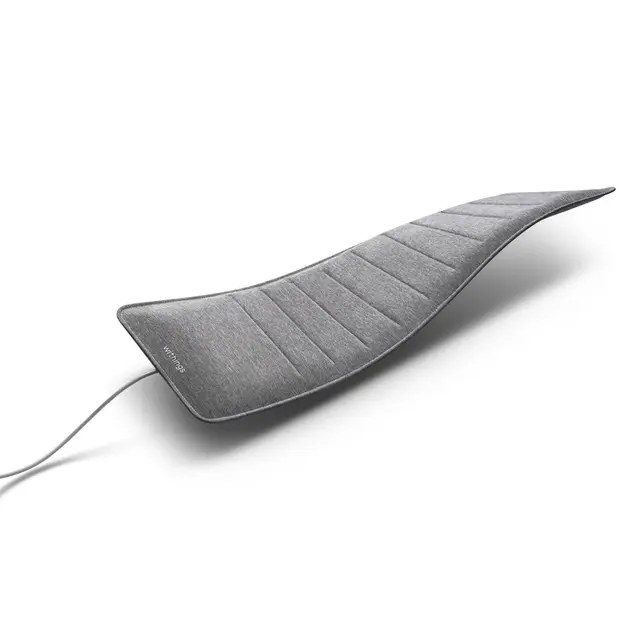
Withings Sleep Analyzer
In our comparison, the Withings Sleep Analyzer is the purest contactless pick. The thin pad slides under your mattress and uses a pneumatic sensor to track movement, breathing,…
In our comparison, the Withings Sleep Analyzer is the purest contactless pick. The thin pad slides under your mattress and uses a pneumatic sensor to track movement, breathing, and heart rate through the night, then reports sleep cycles, a Sleep Score, and snore detection in the Health Mate app. You set it up once, plug it in, and never think about charging or wearing anything.
One naming point matters for US buyers: the under-mattress pad is listed in the US as Withings Sleep, while Sleep Analyzer is the name used in other regions. Feature availability varies by region, so check the current US listing description before buying. The pad needs mains power and Wi-Fi sync, it covers one side of the bed, so couples need one pad each, and it cannot track naps away from that bed. Treat its reports as wellness information about your sleep patterns, not as a medical diagnosis.
Pros:
- Nothing to wear or charge overnight
- Tracks sleep cycles, heart rate, and snoring from under the mattress
- Simple setup with automatic Wi-Fi sync to the app
Cons:
- US listing name differs (Withings Sleep) — check the listing carefully
- One pad per side of the bed for couples
- Needs mains power and only tracks sleep in that bed
2. Eight Sleep Pod
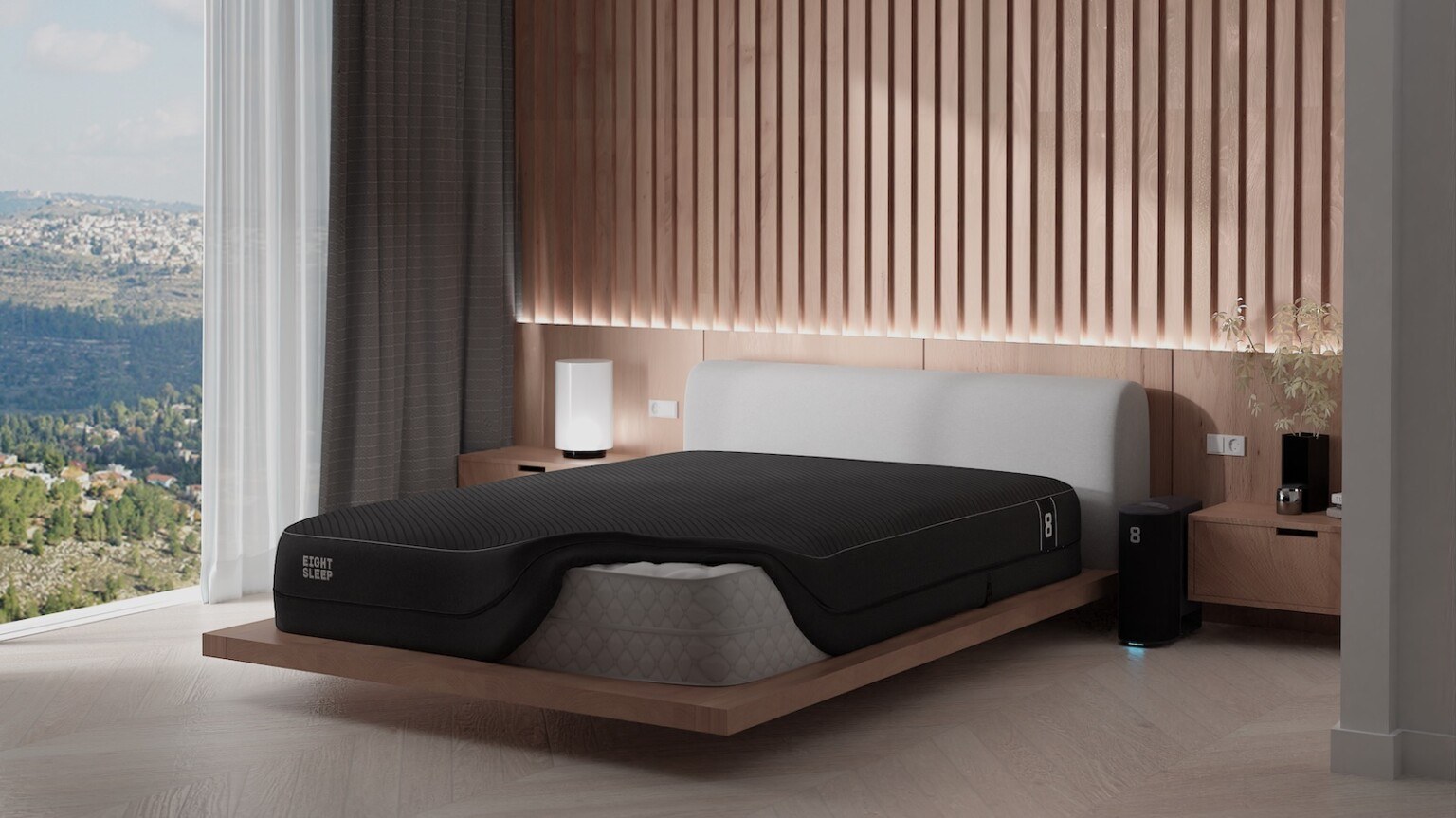
In our comparison, the Eight Sleep Pod is the only tracker here that also changes how your bed feels. A water-circulating cover and a bedside hub heat and cool each side of the mattress independently, so two sleepers can set different temperatures, while built-in sensors track sleep stages, heart rate variability, and respiratory rate. A vibration and thermal alarm wakes you gently at the lightest point in your sleep cycle, without an audible alarm disturbing your partner.
The trade-offs are practical. The system needs a hub with water and power beside the bed, and setup takes longer than sliding a pad under a mattress. Smart features run through an Autopilot membership — required for the first year on current Pod terms — and without an active membership most smart features stop, so factor that into the long-term picture. The Pod is also sold direct through Eight Sleep rather than as a simple retail purchase, which is why this guide links to a search rather than a single product page.
Pros:
- Dual-zone temperature control for each side of the bed
- Built-in sleep, heart rate variability, and breathing tracking
- Gentle vibration and thermal alarm that spares your partner
Cons:
- Needs a hub with water and power beside the bed
- Smart features depend on an Autopilot membership
- Longer setup than a simple under-mattress pad
3. Google Nest Hub (2nd Gen)
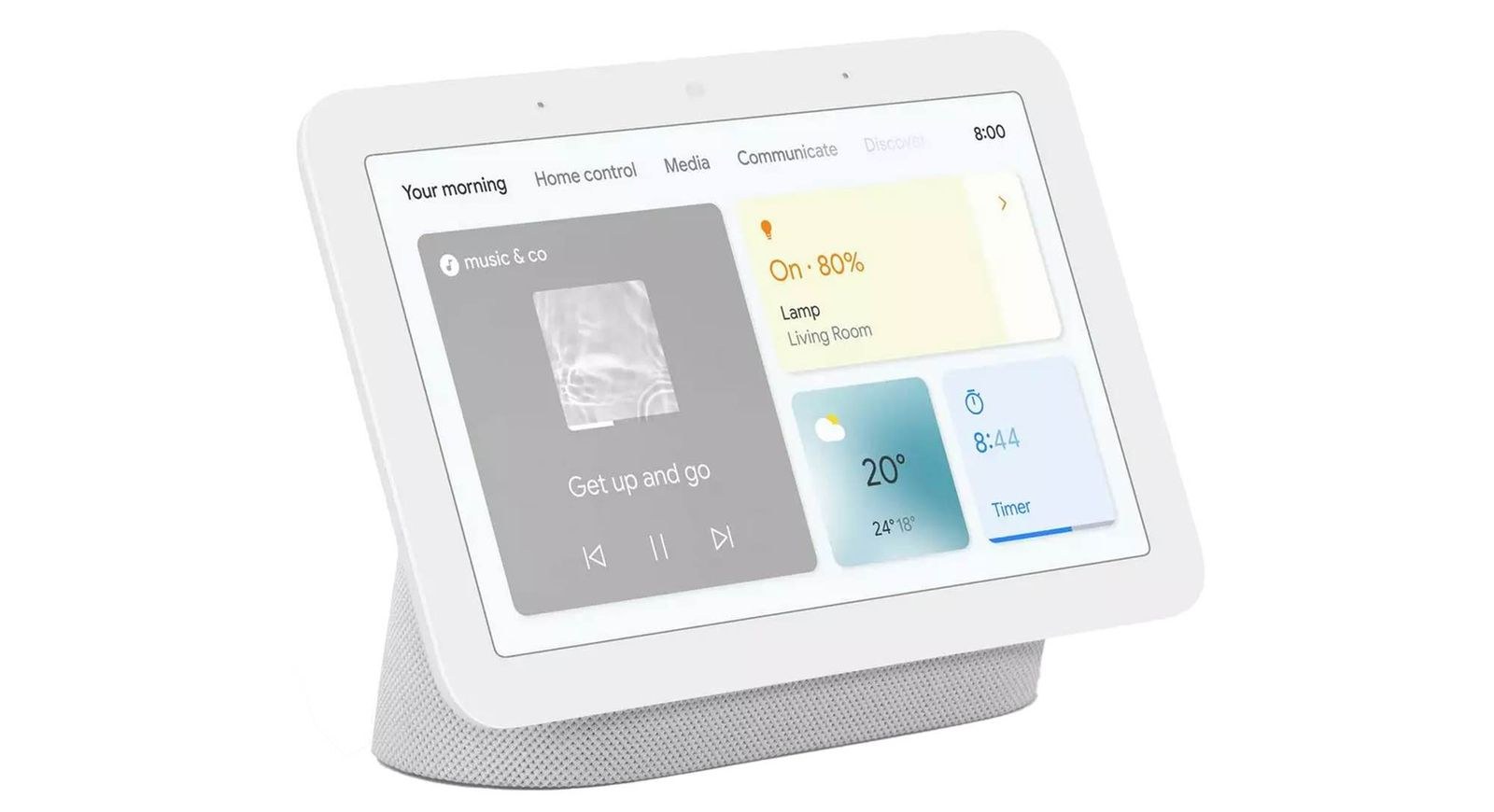
In our comparison, the Nest Hub is the most versatile bedside option. Its Motion Sense radar tracks your bedtime, wake time, and sleep duration from the nightstand — no wearable, no pad, and no camera, since the second-generation Hub has no camera at all. In the morning you get a sleep summary on its 7-inch display, and the Sunrise Alarm gradually brightens the screen to wake you more gently than a sudden alarm.
Beyond sleep, it works as a smart home hub with voice control, Quick Gestures, and a photo frame when idle. The limits are about depth: radar-based Sleep Sensing reports timing and duration well but gives less detail on sleep stages than the Withings pad or a wearable, and it does not track heart rate. Sleep Sensing terms have also changed over time, so check the current terms when you buy. If you want one bedside device that also tracks sleep, the Hub is the natural pick; if you want the deepest sleep detail, pair it with a dedicated tracker.
Pros:
- Contactless sleep sensing with no camera and nothing to wear
- Sunrise Alarm plus smart home and media controls
- Clear morning sleep summary on a 7-inch display
Cons:
- Less sleep-stage detail than dedicated trackers
- No heart rate tracking
- Sleep Sensing terms have changed over time — check before buying
4. WHOOP 4.0
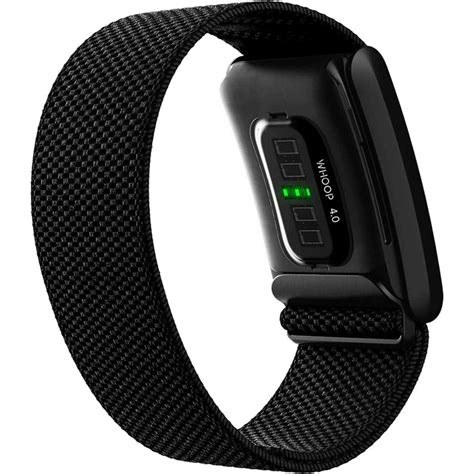
In our comparison, WHOOP 4.0 is the wearable exception in a contactless-led list, and it earns its place through sleep depth. Worn on the wrist, it measures sleep stages, heart rate, heart rate variability, and respiratory rate, then turns them into a Sleep Coach that tells you how much sleep you need and when to go to bed, plus a recovery score each morning that reflects how rested you are. Over weeks, its sleep debt tracking shows whether you are actually catching up or falling behind.
The trade-offs are the same as in our fitness comparison: WHOOP works on a membership, with 12 months included in this purchase and renewal through the app, and without an active membership the coaching stops. It has no screen, so sleep data lives in the app, and you do wear it to bed — though the fabric band is light enough that most users forget it. If you want the deepest sleep and recovery data and you do not mind a wristband, WHOOP is the most detailed tracker here.
Pros:
- Detailed sleep stages, recovery score, and Sleep Coach
- Sleep debt tracking over weeks, not just single nights
- Light fabric band that is easy to forget overnight
Cons:
- Membership required; coaching stops without an active plan
- No display — all data lives in the app
- You wear it to bed, unlike the contactless picks
5. SleepScore Max
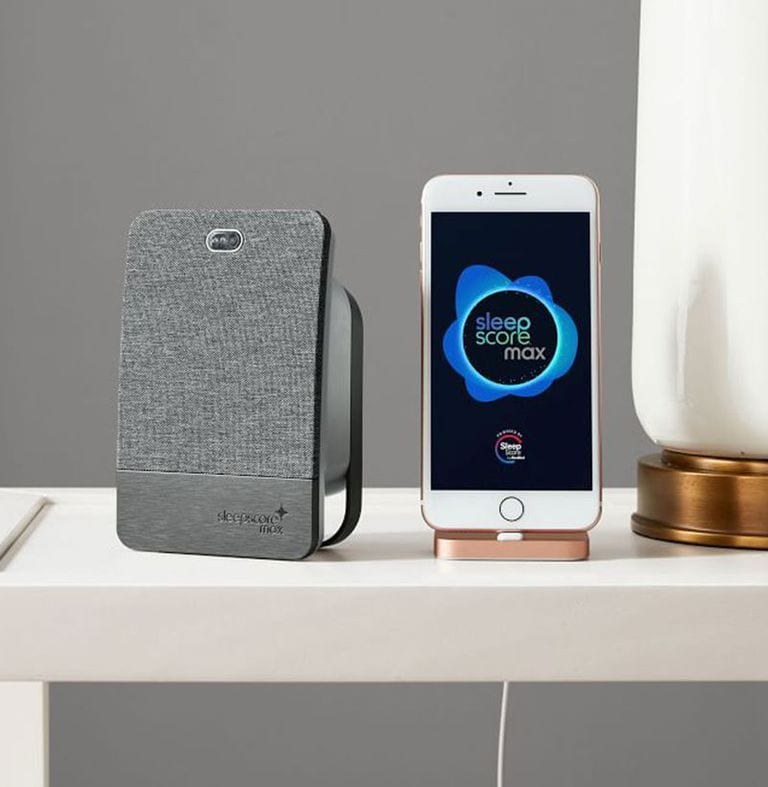
In our comparison, the SleepScore Max is the classic bedside contactless tracker: a small unit that sits on your nightstand and uses sonar-style sensing to follow your breathing and movement through the night, without anything touching you or your mattress. It reports sleep stages and a Sleep Score, senses room temperature, light, and noise, and offers a smart alarm plus coaching in its app. For sleepers who want a simple, dedicated device with no wearable and no installation under the mattress, that setup is appealing.
The honest caveat is availability. The SleepScore Max is an older, legacy-style product, and current availability looks limited — which is why this guide links to a search rather than a single product page, so you can confirm what is actually in stock. You also start tracking in the app each night rather than having it detect bedtime fully automatically, and its coaching is simpler than WHOOP’s recovery system.
Pros:
- Contactless bedside sensing — nothing to wear or install
- Tracks sleep stages plus room temperature, light, and noise
- Smart alarm and app coaching included
Cons:
- Current availability looks limited — confirm stock before buying
- Tracking is started in the app each night
- Coaching is simpler than the wearable rivals
Comparison Table
| Product | How it senses sleep | Wearable? | Sleep stages | Heart rate | Extra feature |
|---|---|---|---|---|---|
| Withings Sleep Analyzer | Under-mattress pneumatic sensor | No | Yes | Yes, continuous | Snore detection, Sleep Score |
| Eight Sleep Pod | Cover sensors + hub | No | Yes | Yes, plus HRV | Dual-zone temperature control |
| Google Nest Hub (2nd Gen) | Nightstand radar (Motion Sense) | No | Limited detail | No | Sunrise Alarm, smart home hub |
| WHOOP 4.0 | Wrist sensors | Yes | Yes | Yes, plus HRV | Sleep Coach, recovery score |
| SleepScore Max | Bedside sonar sensing | No | Yes | No | Room environment sensing |
FAQs
Do I have to wear anything to track sleep?
No. The Withings pad, Eight Sleep Pod, Nest Hub, and SleepScore Max are all contactless — only WHOOP 4.0 here is worn on the wrist.
Which tracker is best for couples?
The Eight Sleep Pod, because each side of the bed gets its own temperature and tracking. Withings works for couples too, but needs one pad per side.
Can a sleep tracker diagnose a sleep problem?
No. These products report wellness information about your sleep patterns, such as timing, stages, and snoring. If you have concerns about your sleep, speak to a healthcare professional.
Which tracker also helps me wake up better?
The Eight Sleep Pod’s vibration and thermal alarm and the Nest Hub’s Sunrise Alarm are the gentlest wake options here, since neither relies on a loud audible alarm.
Conclusion
Pick the Withings Sleep Analyzer if you want set-and-forget contactless tracking with nothing to wear, the Eight Sleep Pod if temperature is what keeps you awake and you want sleep tracking built into the bed itself, and the Google Nest Hub (2nd Gen) if you want a bedside display that also runs your smart home. Choose WHOOP 4.0 if you want the deepest sleep and recovery detail and do not mind a wristband and a membership, and consider the SleepScore Max if you find one in stock and want a simple bedside unit.


