Best Fitness Trackers 2026
Fitness trackers range from simple bands that count steps to screen-free coaches that turn your daily strain, sleep, and recovery into one clear plan. In our comparison of five leading trackers, we judged them on what they actually track well — steps, heart rate, sleep, workouts, and recovery — plus how comfortable they are to wear around the clock and how much hand-holding their apps provide. The right pick depends less on the longest feature list and more on how much coaching you want.
As an Amazon Associate I earn from qualifying purchases. #ad

Top 3 Picks
- Best all-round tracker: Fitbit Charge 6 — built-in GPS, a bright color display, Google apps, and clear sleep and readiness scores in one familiar package.
- Best screen-free coaching: WHOOP 4.0 — no display to distract you, with strain, recovery, and sleep coaching that tells you how hard to push each day.
- Best simple, discreet band: Garmin Vivosmart 5 — a slim band with Garmin’s trusted activity and sleep tracking, without a smartwatch-sized screen.
1. Fitbit Charge 6
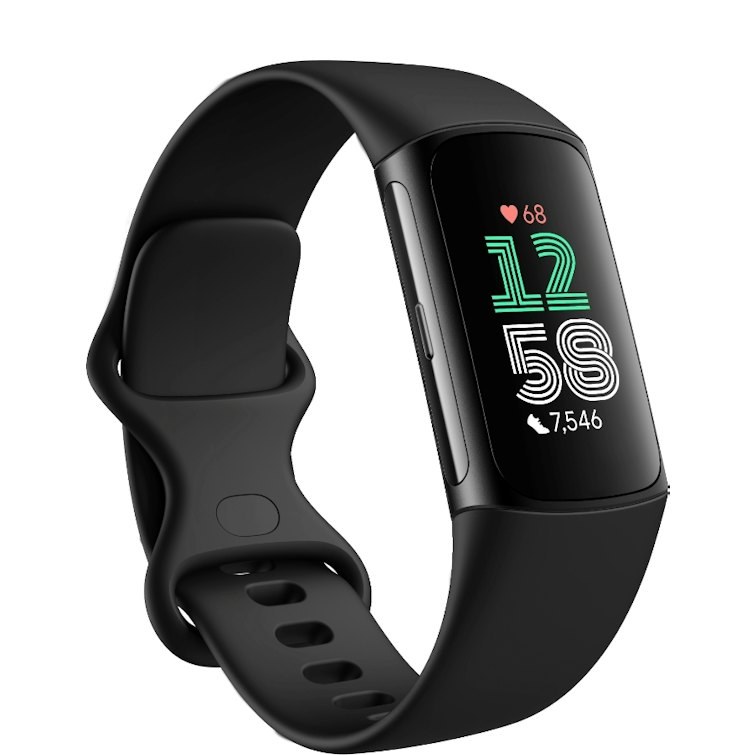
Fitbit Charge 6
In our comparison, the Charge 6 is the easiest tracker to recommend to most people. It pairs a bright color touchscreen with built-in GPS, so runs and rides are mapped without…
In our comparison, the Charge 6 is the easiest tracker to recommend to most people. It pairs a bright color touchscreen with built-in GPS, so runs and rides are mapped without your phone, and it covers over 40 exercise modes plus automatic activity detection. Heart rate, sleep stages, and a Daily Readiness Score give you a quick morning read on how recovered you are, and Google apps — including Maps, Wallet, and YouTube Music controls — make it more useful day to day than a plain band.
The Fitbit app is clear and friendly, with trends for steps, sleep, and heart rate that are easy to read at a glance. Some deeper insights and scores sit behind a Fitbit Premium subscription, which is worth knowing before you buy, and the band’s small screen is better for glances than for reading long messages. Even so, for the balance of tracking, display, and app polish, this is the most complete package here.
Pros:
- Built-in GPS with over 40 exercise modes
- Bright color display with Google apps built in
- Clear sleep and readiness scores in a friendly app
Cons:
- Some deeper insights need a Premium subscription
- Small screen suits glances, not long messages
- Side button is fiddly when starting workouts on the move
2. Garmin Vivosmart 5
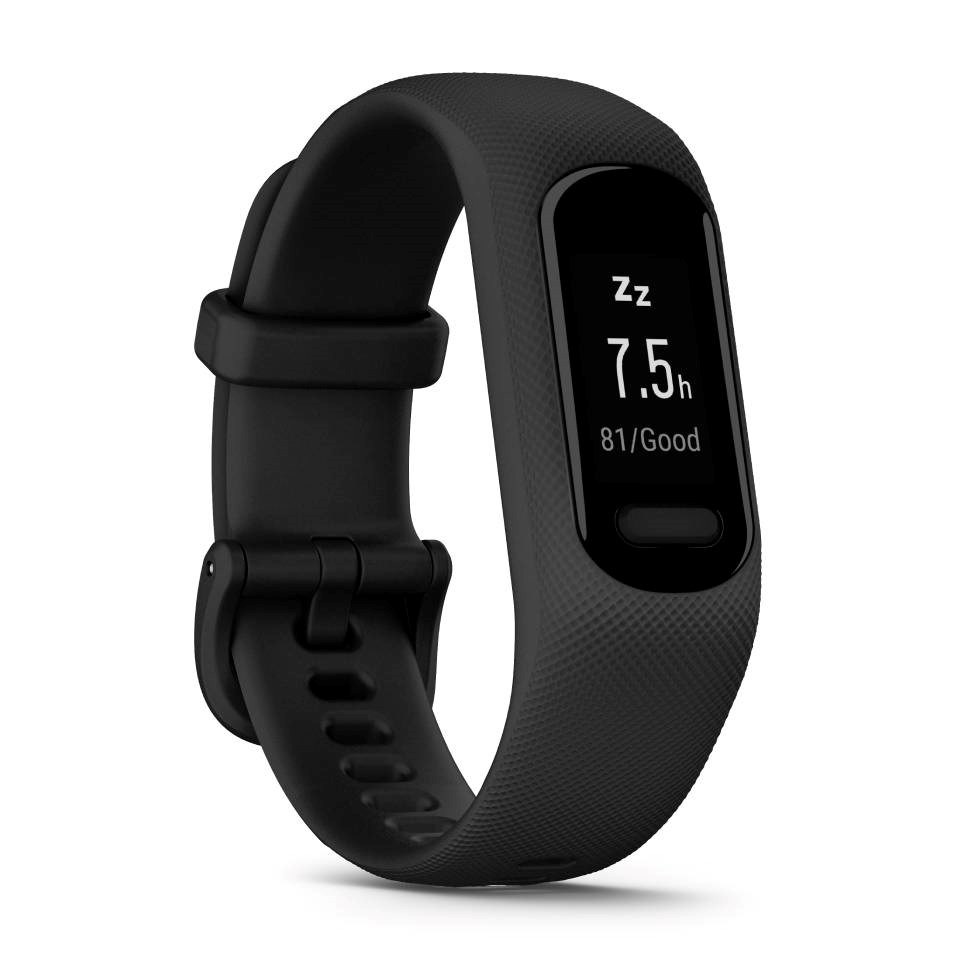
In our comparison, the Vivosmart 5 is the tracker for people who want Garmin’s tracking without a watch face. It is slim, light, and discreet, with a small OLED display that shows time, steps, heart rate, and notifications. Sleep stages, stress tracking, Body Battery energy monitoring, and pulse oxygen readings give a solid health picture, and the Garmin Connect app remains one of the most detailed free apps for long-term trends.
One point to be clear on: the Vivosmart 5 has no built-in GPS. It uses connected GPS through your paired phone for outdoor activities, so accurate run mapping means carrying your phone. That is a fair trade for the slim size, but runners who want phone-free mapping should look at the Fitbit Charge 6 instead. The single button plus touchscreen takes a little learning. For all-day comfort and reliable basics, though, this band is hard to fault.
Pros:
- Slim, light, and discreet for round-the-clock wear
- Body Battery, stress, and sleep tracking in a detailed free app
- Reliable step and heart rate tracking from Garmin
Cons:
- No built-in GPS — outdoor mapping needs your phone nearby
- Small display limits what you can read at a glance
- Button and touchscreen controls take learning
3. WHOOP 4.0
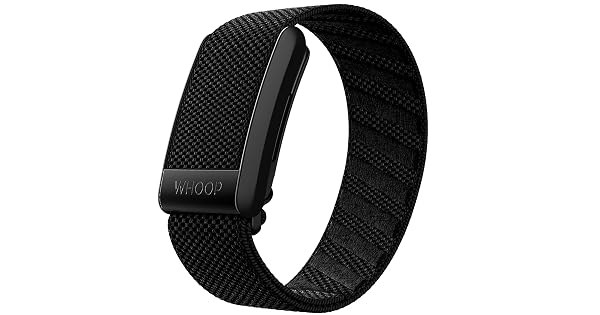
In our comparison, WHOOP 4.0 takes a different approach from every other tracker here: it has no screen at all. Instead, it quietly measures strain, recovery, sleep, heart rate, and heart rate variability around the clock, and the app turns that data into coaching — how much strain to aim for today, when to go to bed, and how recovered you are. For athletes and data-driven users, that coaching is the product, and it is genuinely useful once you build a few weeks of baseline data.
The trade-offs are structural. WHOOP works on a membership model, and the purchase here includes an initial 12-month membership, with renewal handled through the app — without an active membership, the coaching stops. There is no display, so checking the time or a notification means reaching for your phone, and there is no built-in GPS, so outdoor mapping relies on your phone. The waterproof battery pack charges on your wrist, and the fabric band is comfortable enough to forget.
Pros:
- Strong strain, recovery, and sleep coaching in the app
- Screen-free design with a comfortable fabric band
- Waterproof battery pack charges while you wear it
Cons:
- Membership required; coaching stops without an active plan
- No display for time or notifications
- No built-in GPS; outdoor mapping needs your phone
4. Amazfit Band 7
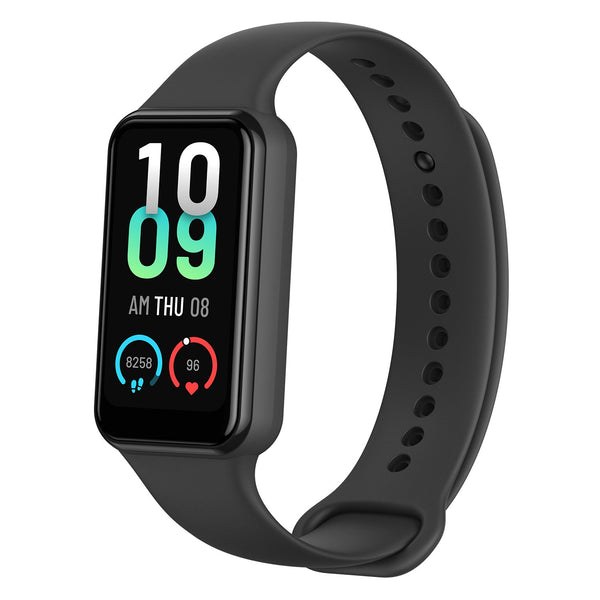
In our comparison, the Amazfit Band 7 is the simpler pick that still covers the essentials well. Its 1.47-inch AMOLED display is bright and easy to read, it tracks 120 sports modes, and it is rated 5 ATM for swimming. Sleep, heart rate, blood oxygen, and stress tracking are all included, and Alexa is built in for quick voice commands. Battery life is a genuine strength, typically lasting well over a week of normal use.
Where it shows its simpler positioning is in GPS and app depth: like the Garmin, it has no built-in GPS and relies on your phone for outdoor mapping, and the Zepp app, while improved, is less polished than Fitbit’s or Garmin’s for long-term health trends. Notifications work well, but replies are limited. For buyers who want a capable band without a membership or extra complexity, those are easy trade-offs to accept.
Pros:
- Bright 1.47-inch AMOLED display with 120 sports modes
- Strong battery life, typically well over a week
- Alexa built in, 5 ATM water resistance for swimming
Cons:
- No built-in GPS; outdoor mapping needs your phone
- App is less polished for long-term health trends
- Plain plastic build and limited notification replies
5. Xiaomi Smart Band 8
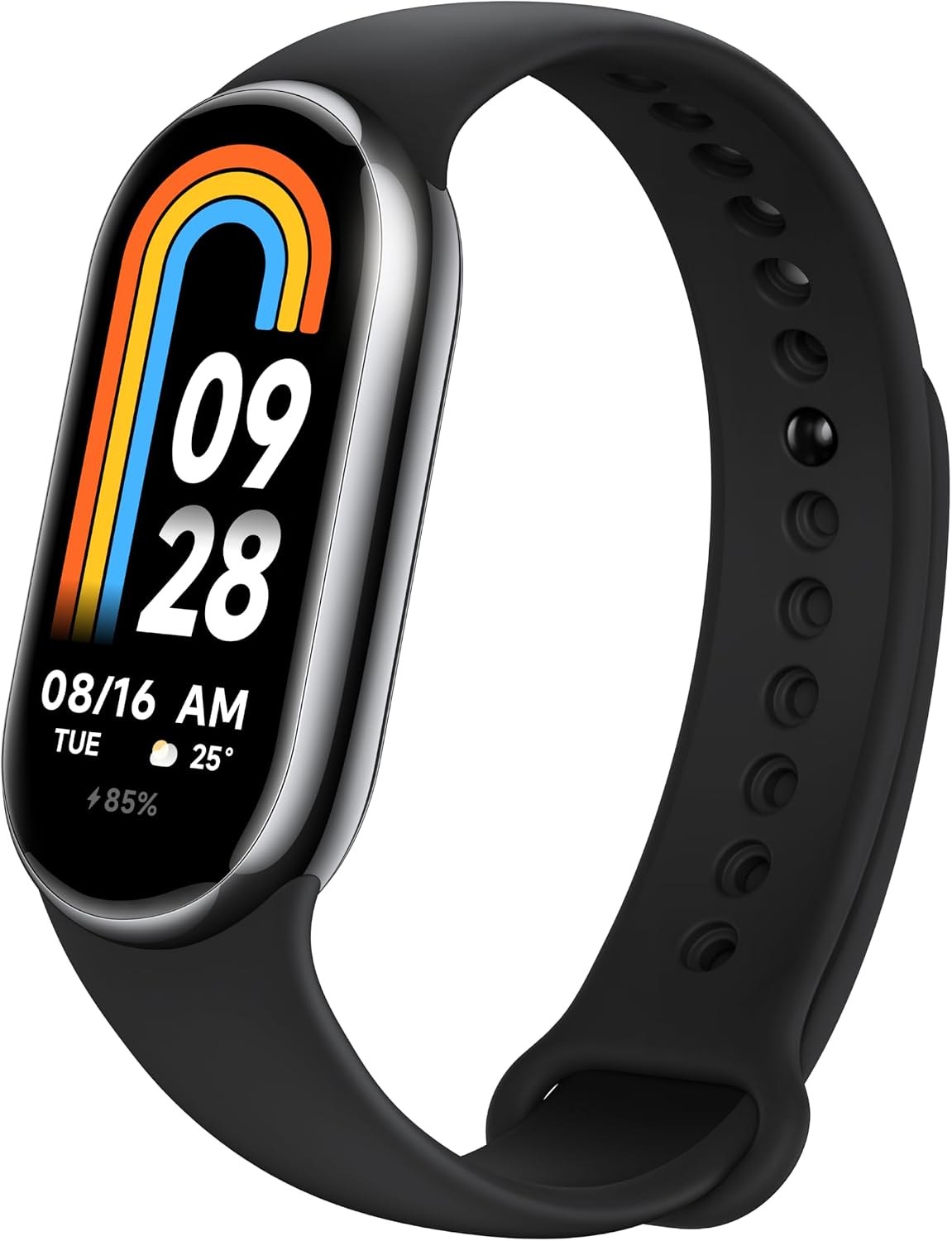
In our comparison, the Xiaomi Smart Band 8 is the simplest, lightest band here, and that simplicity is its appeal. The 1.62-inch AMOLED display is sharp and colorful, it covers over 150 sports modes, and it is rated 5 ATM for swimming. Sleep, heart rate, blood oxygen, and stress tracking are included, and the quick-release straps make swapping bands easy. Optional running-clip and pendant modes let you wear it in unusual places, such as clipped to a shoe for running form data.
The limits match its simple brief. There is no built-in GPS — outdoor routes come from your phone’s GPS — and there is no altimeter, so elevation data is limited. The Mi Fitness app is straightforward but less deep than Garmin Connect or the Fitbit app for long-term analysis. For buyers who want a light, capable band for steps, workouts, and sleep without extra complexity, the Band 8 covers the daily essentials well.
Pros:
- Sharp 1.62-inch AMOLED display with over 150 sports modes
- Light, comfortable design with quick-release straps
- Running-clip and pendant modes for unusual wear positions
Cons:
- No built-in GPS and no altimeter
- App is basic for long-term health analysis
- Notification handling is limited
Comparison Table
| Product | Display | Built-in GPS | Key tracking | Water resistance | Membership needed |
|---|---|---|---|---|---|
| Fitbit Charge 6 | Color touchscreen | Yes | Steps, HR, sleep, readiness, 40+ modes | Swim-proof | No, some insights via Premium |
| Garmin Vivosmart 5 | Small OLED | No, connected GPS | Steps, HR, sleep, Body Battery, stress | Swim-proof | No |
| WHOOP 4.0 | None | No, phone GPS | Strain, recovery, sleep, HRV | Water-resistant | Yes, 12-month included |
| Amazfit Band 7 | 1.47-inch AMOLED | No, connected GPS | Steps, HR, sleep, SpO2, 120 modes | 5 ATM | No |
| Xiaomi Smart Band 8 | 1.62-inch AMOLED | No, connected GPS | Steps, HR, sleep, SpO2, 150+ modes | 5 ATM | No |
FAQs
Do I need a subscription for a fitness tracker?
Only WHOOP 4.0 here requires a membership for its coaching, with 12 months included in this purchase. Fitbit offers optional Premium for deeper insights, while Garmin, Amazfit, and Xiaomi work fully without a subscription.
Which tracker is best for running without a phone?
The Fitbit Charge 6, because it is the only tracker here with built-in GPS. The others map outdoor routes through your paired phone.
Can I swim with these trackers?
Yes, all five are designed for swimming and showering, with the Amazfit and Xiaomi bands rated 5 ATM. Rinse them after pool or salt water use.
Which tracker is most comfortable for sleep?
The WHOOP 4.0 fabric band and the slim Garmin Vivosmart 5 are the least noticeable overnight. The Fitbit Charge 6 is also comfortable, though its screen is larger than the Garmin’s.
Conclusion
Pick the Fitbit Charge 6 if you want the most complete tracker with a display and built-in GPS, the WHOOP 4.0 if you want screen-free coaching that tells you how hard to train and when to rest, and the Garmin Vivosmart 5 if you want a slim, discreet band with deep free tracking. The Amazfit Band 7 is the smart choice for a capable band with long battery life and no membership, while the Xiaomi Smart Band 8 suits anyone who wants the lightest, simplest tracker that still covers steps, workouts, and sleep.


