Best VR Headsets 2026

Buying a VR headset in 2026 starts with one decision: do you want a standalone headset that works on its own, or a tethered headset that plugs into a PC or PlayStation 5? Standalone headsets are simpler and portable, while tethered headsets lean on much more powerful hardware for sharper visuals and bigger games. In our comparison of five leading VR headsets, we looked at display quality, tracking, controllers, and game libraries.
As an Amazon Associate I earn from qualifying purchases. #ad
Top 3 Picks
Best overall: Meta Quest 3. The most complete standalone headset here, with the sharpest standalone display in this group, strong mixed reality, and a large library that needs no PC. It can also connect to a PC for PC VR games.
Best value standalone: Meta Quest 3S. It shares the same processor and controllers as the Quest 3 and runs the same standalone library, with a lower-resolution display and simpler lenses keeping it more accessible.
Best for PlayStation 5 owners: PlayStation VR2. The only headset here built for PS5, unlocking PlayStation’s VR games with eye tracking and headset feedback that no other headset in this group offers.
1. Meta Quest 3 (512GB)
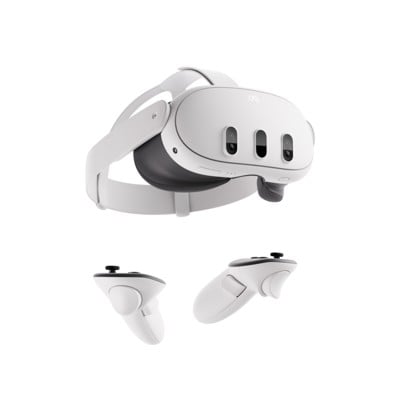
The Quest 3 is the standalone headset to beat. It runs entirely on its own, with no PC, console, or external sensors needed, and its Snapdragon XR2 Gen 2 chip powers a large library of standalone games and apps. The 512GB version linked here holds a big game collection.
The display is a major step up: Meta’s 4K Infinite Display is rated about 30 percent sharper than the Quest 2’s, and pancake lenses give a clearer, wider sweet spot than older Fresnel lenses. Full-color passthrough makes mixed reality genuinely useful, and Touch Plus controllers track well without older controllers’ rings. The trade-offs are battery life and comfort: active gaming runs for a couple of hours per charge, and the front-heavy balance can press on the face in extended play.
- Fully standalone, no PC or console required
- Sharp 4K Infinite Display with pancake lenses
- Full-color passthrough for mixed reality
- Standalone battery lasts a couple of hours per charge in active gaming
- Front-heavy balance can press on the face in long sessions
Check on Amazon: Meta Quest 3 (512GB)
2. PlayStation VR2
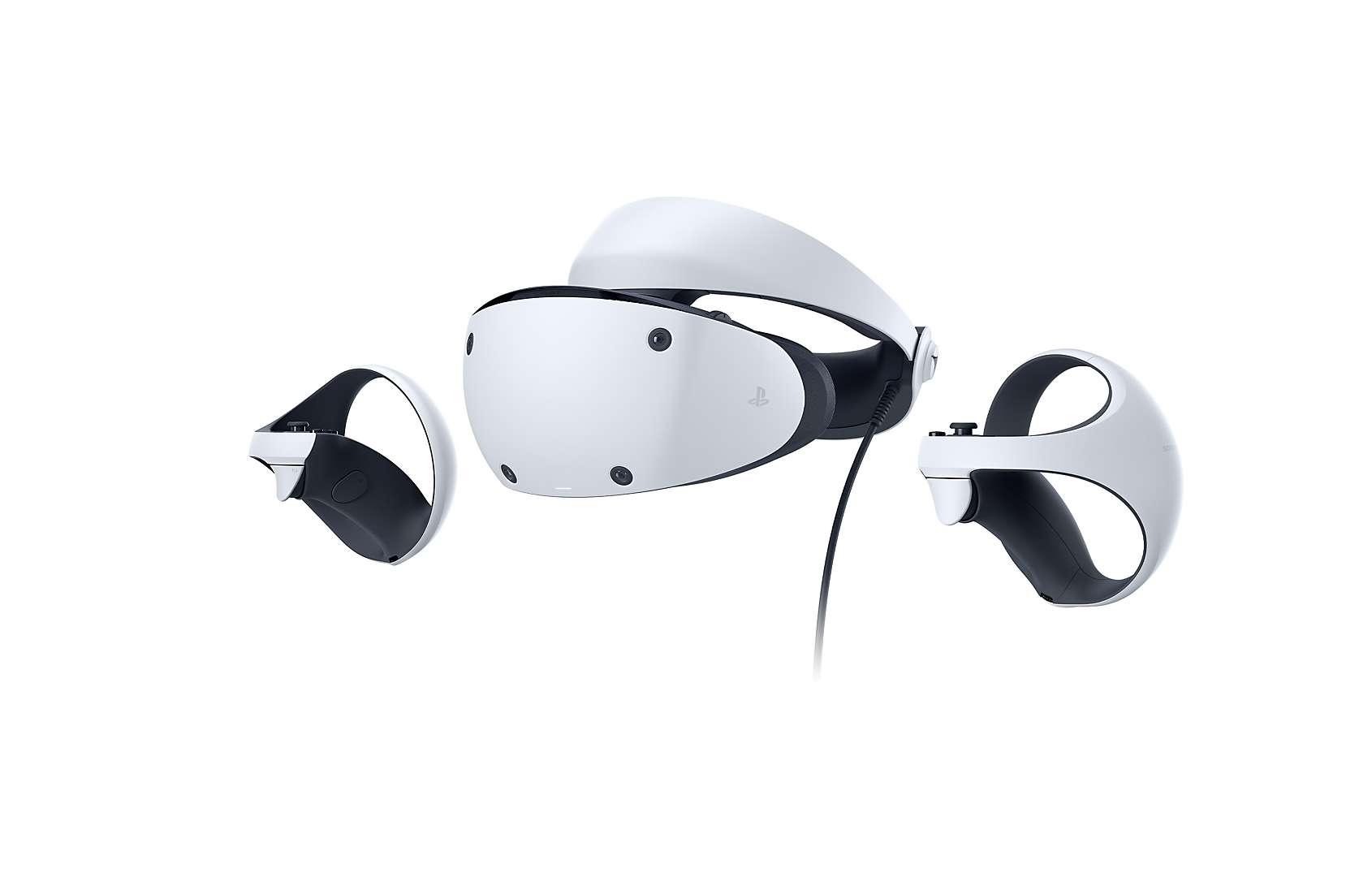
PlayStation VR2 is the only headset in this comparison made for PlayStation 5, and it shows. It connects to the PS5 with a single cable and gives console players access to PlayStation’s VR library, including major first-party titles that do not appear on any other headset here.
The hardware is impressive: each eye gets a 2000 x 2040 OLED display with 4K HDR visuals, a 110-degree field of view, and refresh rates up to 120 Hz. Eye tracking enables foveated rendering, focusing detail where you look, and headset feedback adds subtle vibrations. Sense controllers include haptics, adaptive triggers, and finger-touch detection. The limits are clear: PSVR2 is tethered to a PS5, does not work standalone, and is not compatible with the PS4 or the original PSVR library.
- 2000 x 2040 OLED display per eye with 4K HDR
- Eye tracking, headset feedback, and 3D Audio
- Sense controllers with haptics and adaptive triggers
- Requires a PlayStation 5; does not work standalone
- Not compatible with PS4 or original PSVR games
Check on Amazon: PlayStation VR2
3. Valve Index VR Full Kit
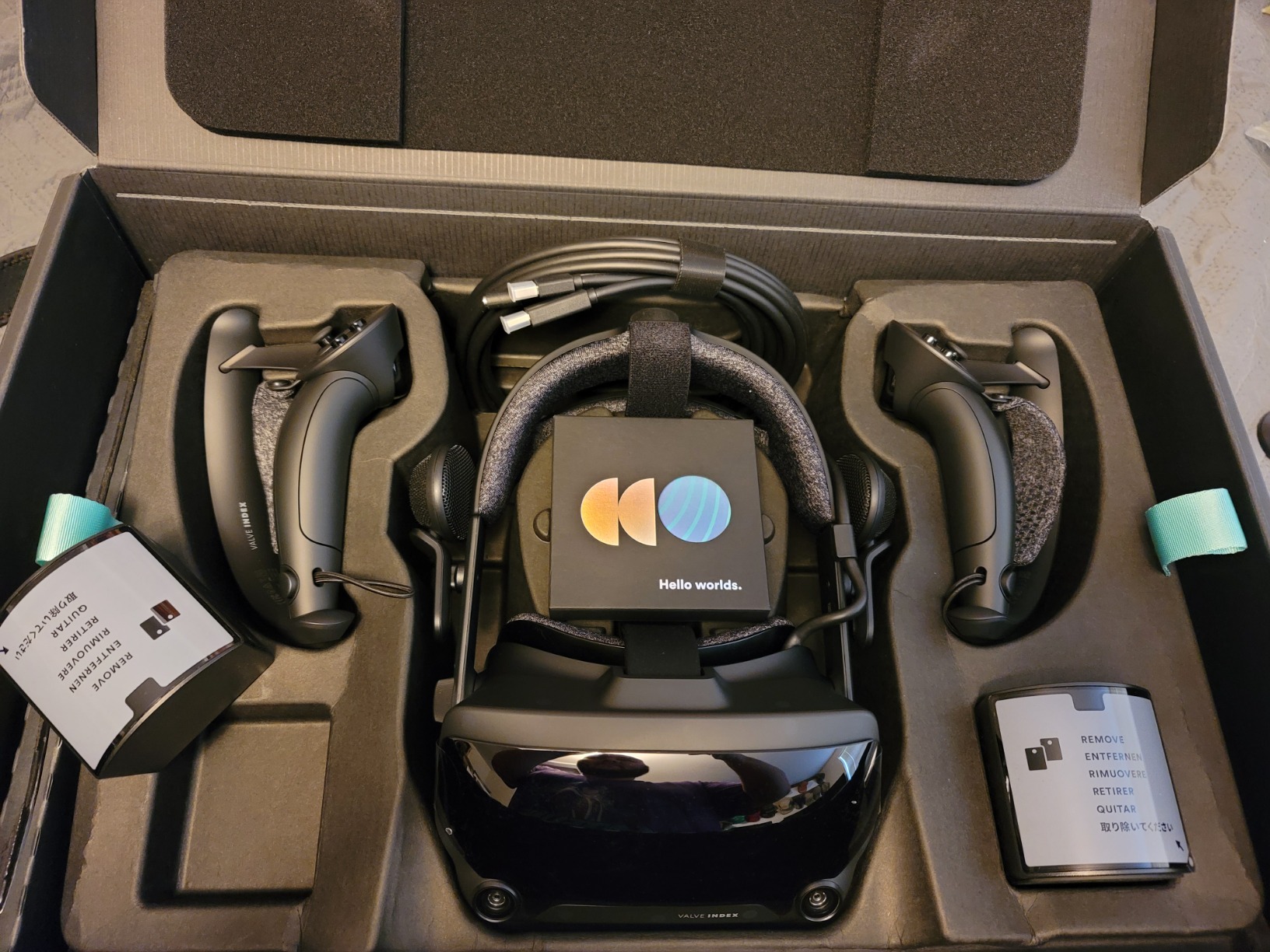
The Valve Index is the enthusiast’s PC VR headset, a favorite for players who want the most precise tracking and most expressive controllers. The full kit includes the headset, two base stations, and Index controllers, which track individual finger movement for natural gripping, pointing, and gesturing in supported games.
The display uses LCD panels at 1440 x 1600 per eye with refresh up to 120 Hz and a field of view around 130 degrees, making motion smooth and the view open. Off-ear speakers deliver excellent spatial audio, and base-station tracking is extremely precise for room-scale play. It is also the most demanding setup here: PC-tethered, needing mounted base stations, with a display resolution that no longer leads the field.
- Finger-tracking Index controllers, the most expressive here
- Wide field of view around 130 degrees
- Precise SteamVR base-station tracking
- PC-tethered; does not work standalone
- Base stations need mounting and room setup
Check on Amazon: Valve Index VR Full Kit
4. HTC Vive Pro 2
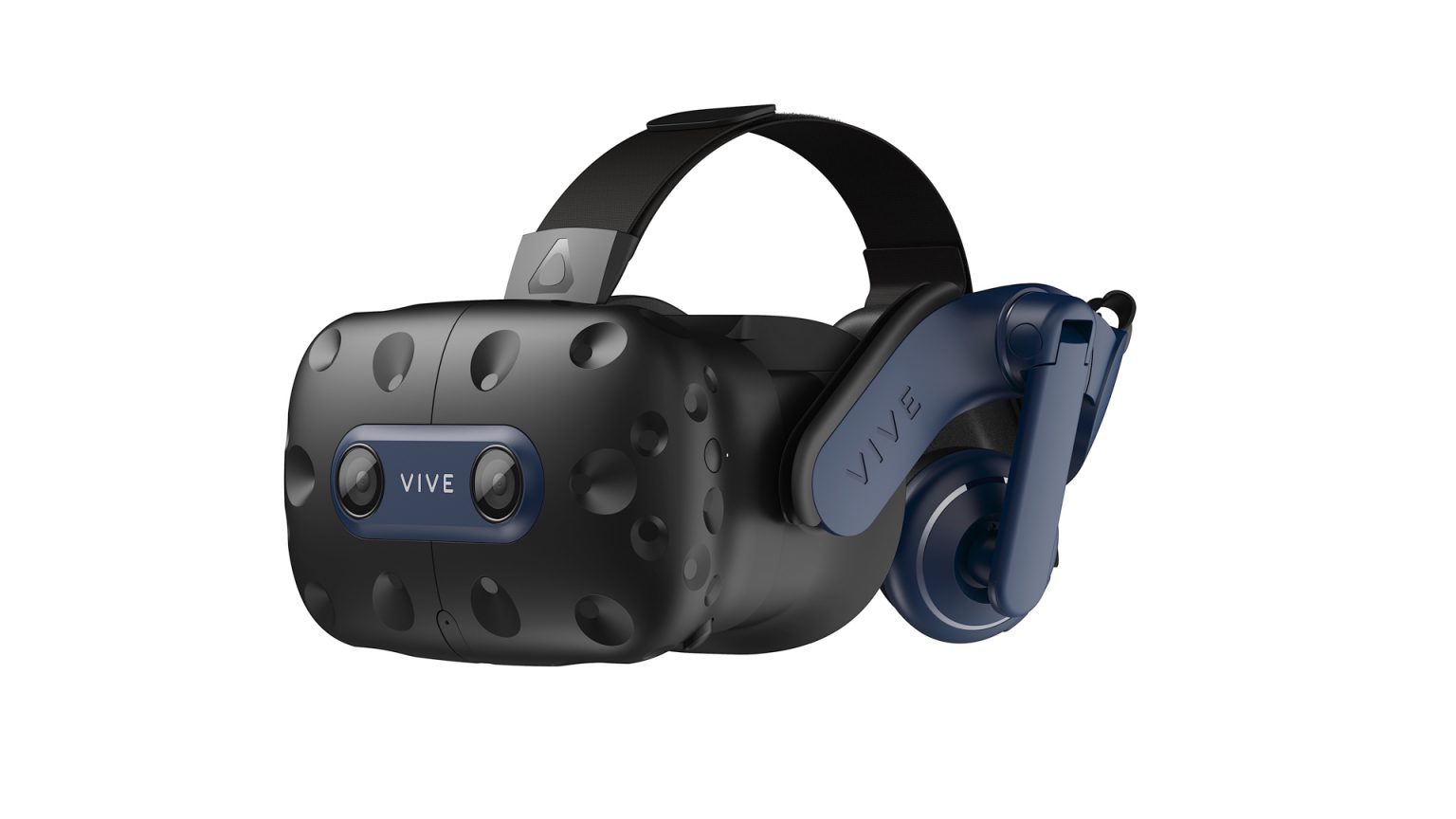
The Vive Pro 2 is the sharpest PC VR headset here. Its dual LCD panels deliver 2448 x 2448 pixels per eye, a combined 5K-class resolution, with a 120-degree field of view and 90 or 120 Hz refresh. For flight simulators, racing games, and detailed environments, that clarity makes small text and distant objects easier to read.
It runs on SteamVR with base-station tracking, so it works with a huge PC VR library and existing SteamVR accessories, including Valve Index controllers. Adjustable headstrap, lens distance, and interpupillary distance settings help dial in a comfortable fit. Like the Index, it is PC-tethered, needs a powerful gaming PC for full resolution and 120 Hz, and its included Vive wand controllers feel dated next to newer rivals.
- 2448 x 2448 resolution per eye, the sharpest display here
- 120-degree field of view, 90/120 Hz refresh
- SteamVR base-station tracking with a huge PC library
- PC-tethered; does not work standalone
- Needs a powerful gaming PC for full resolution and 120 Hz
Check on Amazon: HTC Vive Pro 2
5. Meta Quest 3S (128GB)
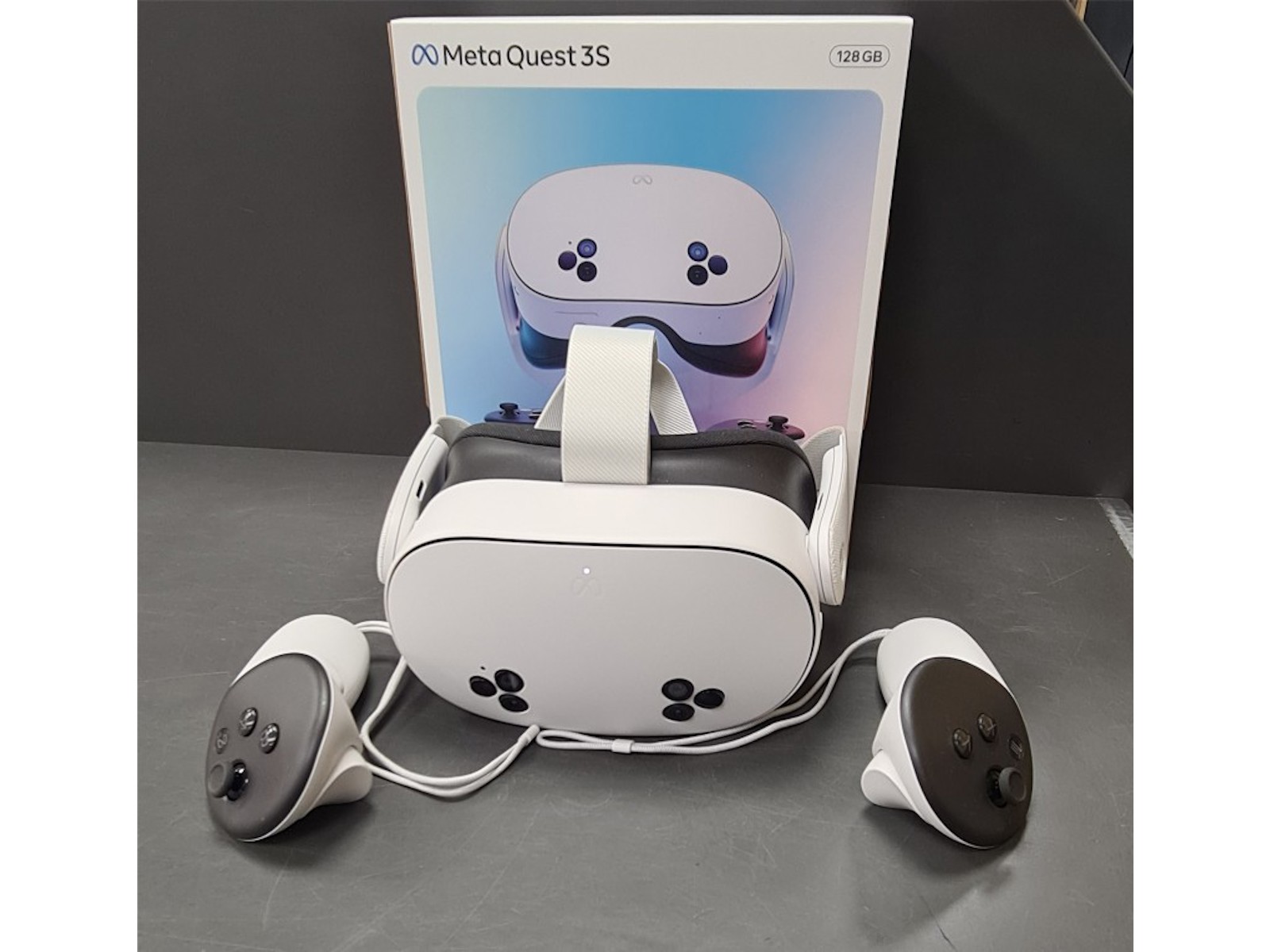
The Quest 3S is the accessible way into standalone VR. It uses the same Snapdragon XR2 Gen 2 chip and Touch Plus controllers as the Quest 3 and runs the same standalone library, so you give up no performance or software. The 128GB version linked here suits players who keep a modest library installed.
The display uses Fresnel lenses at 1832 x 1920 per eye with refresh rates of 90 to 120 Hz, a clear step below the Quest 3’s pancake-lens display but still sharp enough for most games. Full-color passthrough is included, and like the Quest 3, it can connect to a PC for PC VR games. The compromises are a smaller visual sweet spot, less crisp text than the Quest 3, and storage that fills up faster on the 128GB model.
- Fully standalone with the same chip and controllers as Quest 3
- Same standalone game library as the Quest 3
- Full-color passthrough for mixed reality
- Lower-resolution Fresnel-lens display than the Quest 3
- 128GB storage fills up faster with large games
Check on Amazon: Meta Quest 3S (128GB)
Comparison Table
| Headset | Type | Resolution per eye | Refresh rate | Tracking | Requires |
|---|---|---|---|---|---|
| Meta Quest 3 | Standalone (+ PC Link) | 2064 x 2208 | 90/120 Hz | Inside-out | Nothing else |
| PlayStation VR2 | PS5-tethered | 2000 x 2040 OLED | 90/120 Hz | Inside-out + eye tracking | PlayStation 5 |
| Valve Index Full Kit | PC-tethered | 1440 x 1600 LCD | Up to 120 Hz | SteamVR base stations | Gaming PC |
| HTC Vive Pro 2 | PC-tethered | 2448 x 2448 LCD | 90/120 Hz | SteamVR base stations | Powerful gaming PC |
| Meta Quest 3S | Standalone (+ PC Link) | 1832 x 1920 | 90/120 Hz | Inside-out | Nothing else |
FAQs
Do I need a PC to use a VR headset?
Not necessarily. The Meta Quest 3 and Quest 3S are standalone headsets that run games on their own, with no PC required. The Valve Index and HTC Vive Pro 2 need a gaming PC, and PlayStation VR2 needs a PlayStation 5.
Can the PlayStation VR2 work without a PS5?
No. PlayStation VR2 is tethered to the PS5 and does not work standalone or with a PC on its own. It also does not work with the PS4.
What is the difference between the Quest 3 and Quest 3S?
They share the same processor, controllers, and game library. The Quest 3 has a sharper display with pancake lenses, while the Quest 3S uses a lower-resolution display with Fresnel lenses. If display clarity matters most, the Quest 3 is worth it; if you want standalone VR at a lower entry point, the 3S covers the same games.
Is base-station tracking better than inside-out tracking?
Base stations, used by the Index and Vive Pro 2, are extremely precise for room-scale play but need mounting and setup. Inside-out tracking, used by the Quest models and PSVR2, needs no extra hardware and is accurate enough for nearly all games.
Can standalone headsets play PC VR games?
Yes, with a connection. The Quest 3 and Quest 3S can connect to a gaming PC over a cable or wirelessly to play PC VR games, so you are not limited to the standalone library if you later add a PC.
Conclusion
In our comparison, the Meta Quest 3 is the best VR headset for most people, combining standalone simplicity, the sharpest standalone display, and a large game library. The Quest 3S is the right choice if you want the same standalone library and controllers with a more accessible display. PlayStation 5 owners should choose PlayStation VR2, the only headset here built for their console. PC enthusiasts with a powerful rig and room for base stations should look at the HTC Vive Pro 2 for maximum sharpness or the Valve Index Full Kit for the most expressive controllers and precise tracking.


